
Everest
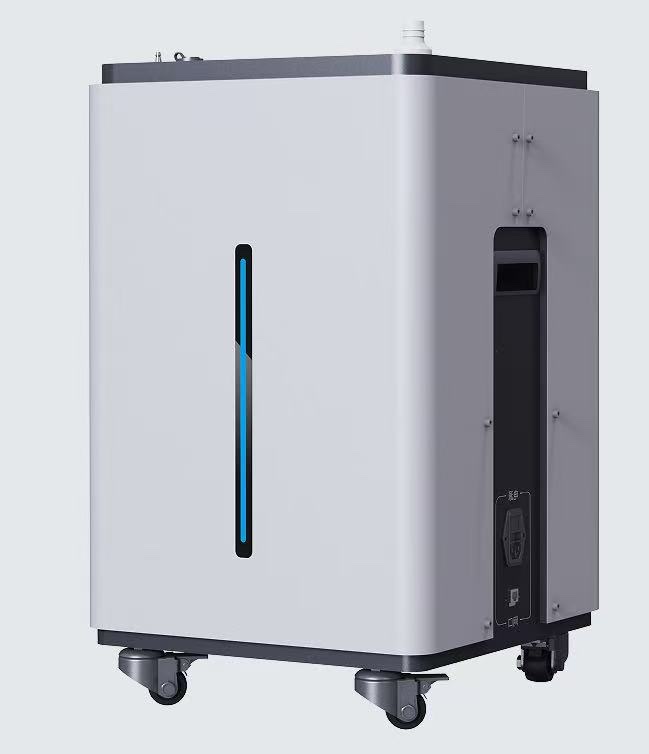
The reference-grade hypoxic trainer for boutique studios and elite-performance facilities. Bi-modal hypoxic and oxygen-enriched (hyperoxic) output, software-controlled altitude, live SpO₂ monitoring and athlete profiles on a 10.1-inch adjustable-angle touchscreen. Built for one athlete at a time, with the session-level control elite coaches demand.
What Everest is, what makes it different, and where it fits in the HPFN lineup.
Everest is a closed-loop normobaric hypoxic generator that delivers controlled low-oxygen air through a mask interface, with real-time biofeedback streamed to a 10.1-inch adjustable-angle touchscreen.
What makes it different: bi-modal output between hypoxic (altitude simulation) and oxygen-enriched (recovery / oxygen therapy) air within a single session. Most studio units do one or the other.
Who it's for: boutique studios, S&C coaches working one-on-one with athletes, longevity clinics, and pro teams running individual recovery protocols.
Why it's the flagship: the deepest session control and the most thorough athlete profiling across HPFN's lineup.
- Compact and easy to move — suitable for homes and gyms
- 10.1-inch adjustable-angle touch screen + dedicated controller + algorithm
- One-piece integrated airbag
- Multiple respiratory mask options
- Multi-stage air-treatment system delivering clean low-oxygen gas
Performance, hardware, physical and power specifications for the HPF-1 Everest.
Six environments built around single-athlete session depth, monitored programming, and exportable data.
Boutique fitness studios
Premium altitude programming for one-on-one or small-group coaching.
Sports performance facilities
Single-athlete session depth for elite training environments.
Strength & conditioning coaches
Athlete profiling, protocol libraries, exportable session data.
Sports science labs
Lab-grade altitude simulation with full data export for research protocols.
Longevity & wellness clinics
Hypoxic and oxygen-enriched therapies in one platform, monitored end-to-end.
Pro team recovery rooms
Single-athlete recovery sessions between competition windows.
Every Everest unit ships with HPFN Altitude OS — facility dashboard, athlete companion app, and live biofeedback on every session.

Athlete profiles
Save individual protocols, baselines, and historical sessions for every user.
Live session control
Adjust altitude, O₂, and mode mid-session with one-touch responsiveness.
Biofeedback integration
SpO₂ and heart rate streamed live; automatic alerts on physiological thresholds.
Data export
Session logs in CSV, PDF reports, and direct integration with leading sports-science platforms.
Every Everest order ships ready to commission, with hardware, software, consumables, training and support included.
- Everest hypoxic trainer unit
- 10.1″ integrated touchscreen with HPFN Altitude OS pre-installed
- 2× hypoxic training masks (S, M, L sizes available)
- Bluetooth SpO₂ finger sensor
- Bluetooth heart-rate strap
- Athlete profile cloud sync (HPFN Altitude OS account)
- Installation and on-site commissioning
- Operator training (2 staff, half-day, on-site or remote)
- 2-year manufacturer warranty
- Lifetime technical support and firmware updates
- Spare consumables kit (filters, mask seals, tubing)
Four products, one platform. Use this table to find the right HPFN unit for your space and programming.
| HPF-1 Everest You're here | HypoxicFit Kilimanjaro | HPF-6 Matterhorn | Wearable Kailash | |
|---|---|---|---|---|
| Form factor | Floor cabinet | Floor console | Floor console | Back-worn (wearable) |
| Simulated altitude | 1 – 3 km | 1.2 – 6.7 km | 1 – 4.5 km | 1 – 4 km |
| Oxygen / hypoxia | ≥40% enrich | 9.0–17.9% | ≥25% enrich | 11.7–18.2% |
| Touchscreen | 10.1″ | 7″ | 13.3″ | — |
| Dimensions (mm) | 415 × 405 × 710 | 340 × 345 × 730 | 484 × 482 × 742 | 550 × 250 × 180 |
| Weight | 39 kg | 30 kg | 70 kg | ≤ 5 kg |
| Power | AC 220 V | AC 220 V | AC 220 V | Passive |
| Best for | Studios, elite training | Mass fitness, individual | Clinics, console station | Outdoor, on-equipment |
Eight answers to the questions buyers ask before placing an order.
01How is normobaric hypoxic training different from hyperbaric or hypobaric chambers?
02Can more than one athlete use Everest at the same time?
03What's the lead time from order to delivery?
04What does installation look like?
05What's the warranty and ongoing support?
06What certifications does Everest hold?
07Is hypoxic training safe?
08Can I see Everest before buying?
Ready to bring Everest into your studio?
Get a quote, a spec sheet, or a live demo — we'll respond within 24 business hours.