
Altitude
3,000 m
HPFN's hypoxic systems are used in university physiology programs, sport-science institutes, and STEM curricula across China. Research-grade data outputs, closed-loop O₂ control, IEC 60335-1 safety — and HPFN's research team consults on protocol design, equipment integration, and methods sections.
Why physiology labs and teaching programs are running altitude research in-house — without a hypobaric chamber's price tag.
Until recently, lab-grade altitude research required either expensive hypobaric chambers, mountain expeditions, or limited-duration travel to altitude. None of these works for tightly-controlled studies, longitudinal protocols, or pedagogical use.
HPFN's normobaric systems give researchers and educators the same physiological stimulus with full experimental control: altitude is set in software, exposure is exactly timed, O₂ concentration is logged at 1-second resolution, and every session exports as research-ready data.
For universities, HPFN systems also serve as curriculum infrastructure — students run protocols, collect data, and engage with hypoxia physiology in a way that lecture-only formats can't replicate.
Every HPFN research deployment follows the same path — from protocol consult and methods alignment to publishable data and ongoing collaboration.
HPFN's research team supports protocol design, particularly around safety thresholds, data outputs, and prior-art alignment.
Equipment specifications and validation references provided for the methods section of your publication.
Install, calibrate, integrate with existing lab equipment (gas analyzers, ECG, NIRS, metabolic carts).
HPFN's research team available for protocol revisions, data review, and citation support throughout the study.
Six institution types with established hypoxic-research applications. Our research team tunes the configuration and data outputs to your study design and teaching goals.
Graduate methods
Lab-grade altitude research and graduate methods training.
Multi-subject
Multi-subject performance studies with synchronized exposure.
Athlete development
Practical altitude training as part of athlete development curricula.
IRB protocols
Clinical hypoxic exposure studies with appropriate IRB protocols.
Secondary · undergrad
Secondary and undergraduate physiology and exercise science.
Investigator-led
Investigator-initiated studies and equipment validation work.
HPFN's full lineup is on the product page; these three cover the scenarios research and teaching programs ask about most.
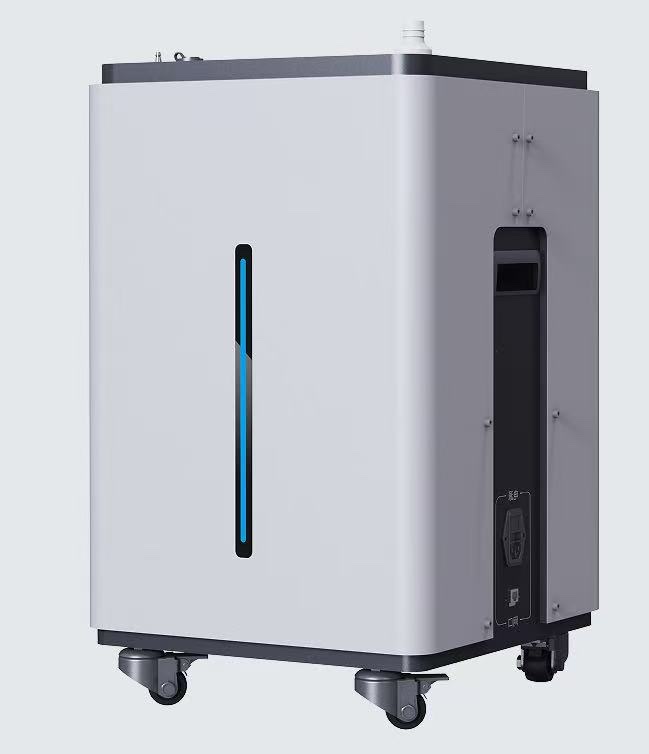
Deepest session control and the largest interface for tightly-controlled single-subject research.
Explore Everest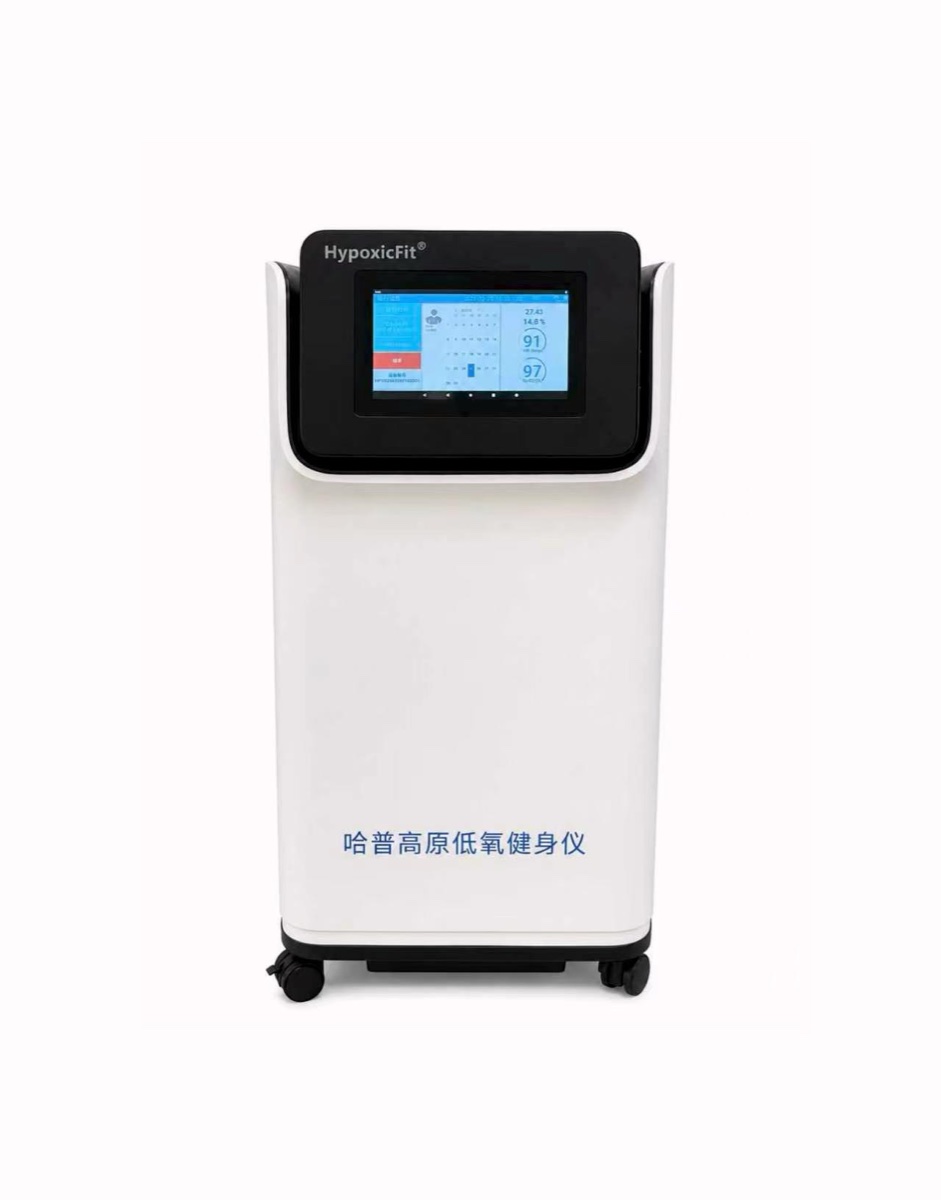
Accessible single-user trainer with a 7-inch Android screen and finger-clip SpO₂ — for teaching and individual study work.
Explore Kilimanjaro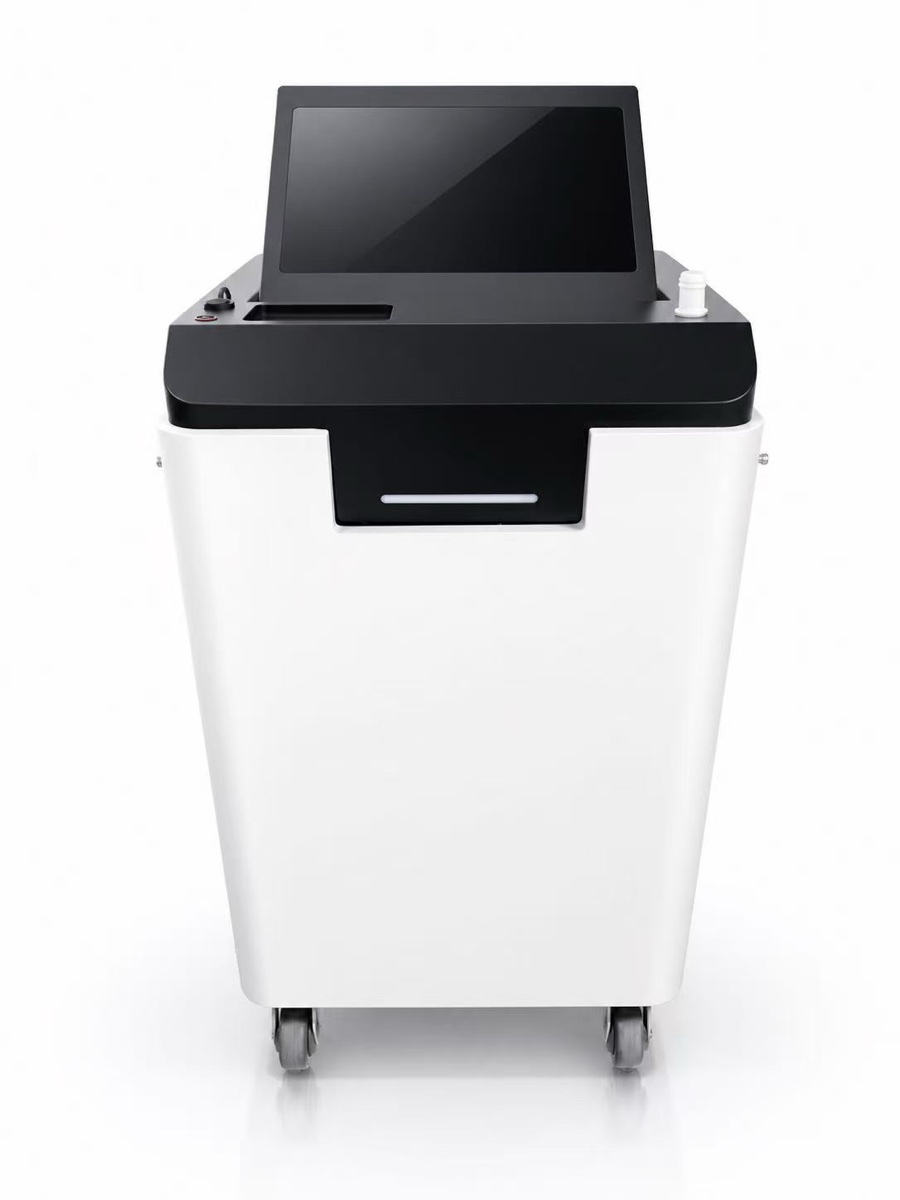
Console trainer with a 13.3-inch screen and ±1% altitude accuracy for labs and teaching installs.
Explore MatterhornA predictable rollout, from first call to first session, with HPFN's research team alongside your program throughout.
Understand research goals, lab setup, budget cycle.
HPFN's research team supports protocol design and methods documentation.
Standard university vendor paperwork handled, methods-section materials provided.
Build cycle plus customs and freight; aligned to the academic procurement calendar.
On-site install, calibration verification, and methods-documentation handoff.
Practical training for principal investigators, graduate students, and (where relevant) undergraduate cohorts.
HPFN's research team available for protocol revisions, data review, and citation support.
HPFN's research library leads with the company's own PIHE methodology validation at 4,300 m simulated altitude, plus foundational independent references in altitude physiology. The full library — citations, abstracts, and tags — is on the Science page.
The full HPFN research library covers the underlying mechanisms, clinical applications and emerging protocols. The three sentences opposite summarize the headline findings most relevant to research and teaching.
Explore the full research library"Research on High Altitude Health and Training: Progressive Intermittent Hypoxic Exposure (PIHE) at 4,300 m — field validation demonstrating significant improvements in sleep quality at simulated 4,300 m altitude."
"Sodium regulating hormones at high altitude: basal and post-exercise levels."
"Exercise physiology of high altitude — reference monograph used as a foundational text in HPFN's protocol design."
Eight of the most common questions from universities, research institutes and teaching programs.
HPFN's research and engineering team consults with university labs, clinical investigators and sport-science programs on protocol design, equipment integration and data outputs. Quote requests are routed through the same channel.