
Altitude
2,500 m
HPFN's hypoxic systems for clinics, longevity centers, recovery facilities, and high-end wellness operators. Hypoxic and hyperoxic protocols in one platform, monitored end-to-end, with the safety profile required of a clinical environment.
Why clinics and longevity centers are adding hypoxic protocols — with the monitoring and safety profile a clinical setting demands.
Hypoxic exposure is one of the most-discussed interventions in the modern longevity stack — but most longevity-facing equipment is either consumer-grade with no monitoring, or expensive lab equipment with no clinical UX.
HPFN's systems sit in the middle: clinical safety profile (closed-loop O₂ sensing, automatic SpO₂ thresholds, IEC 60335-1 electrical safety) paired with the operator UX that clinic staff actually need (guided sessions, screening checklists, exportable session logs).
For longevity centers, recovery clinics, and wellness operators, HPFN delivers a protocol stack — hypoxic for adaptation, hyperoxic for recovery, sleep-tent for live-high overnight programs — that's monitored, exportable, and safe to deploy in a clinical room.
Every HPFN clinical deployment follows the same path — from clinical consult and protocol design to install, training and end-to-end monitoring.
HPFN's clinical team reviews your facility, patient population and protocol goals. Contraindication screening guidance is included for every deployment.
Sample protocols for longevity, recovery, and clinical applications — adapted to your patient population and session duration.
Equipment delivered and commissioned in your treatment room. Staff trained on protocols, screening, biofeedback and session logging.
Every session is logged. HPFN's clinical team is available for protocol revisions and patient-cohort review.
Six setting types with established hypoxic-protocol applications. Our team tunes the protocol and monitoring to your clientele and clinical requirements.
Hypoxic + hyperoxic
Hypoxic for adaptation, hyperoxic for recovery — both protocols on one platform.
Cold · sauna · oxygen
Hyperoxic recovery as part of a multi-modality recovery stack.
Adjacent modality
Adds hypoxic protocols to existing oxygen-therapy practices.
Premium amenity
Programmed altitude experiences as a premium guest amenity.
Sleep-tent at home
Home Kailash deployment with optional clinical supervision.
Patient population studies
IRB-approved hypoxic exposure studies in clinical settings.
HPFN's full lineup is on the product page; these three cover the scenarios clinics and wellness operators ask about most.
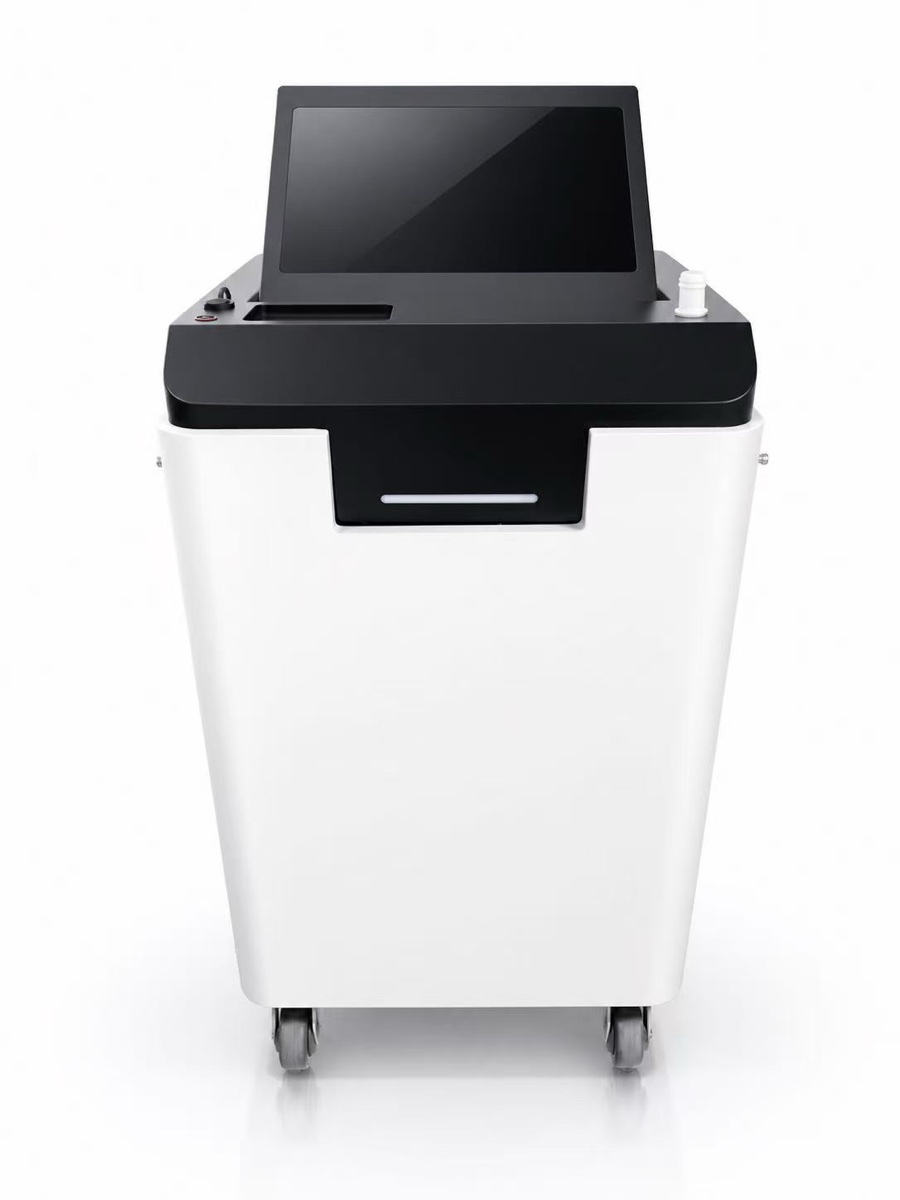
Console trainer with a large 13.3-inch tilt screen for clinic and longevity-center treatment rooms.
Explore Matterhorn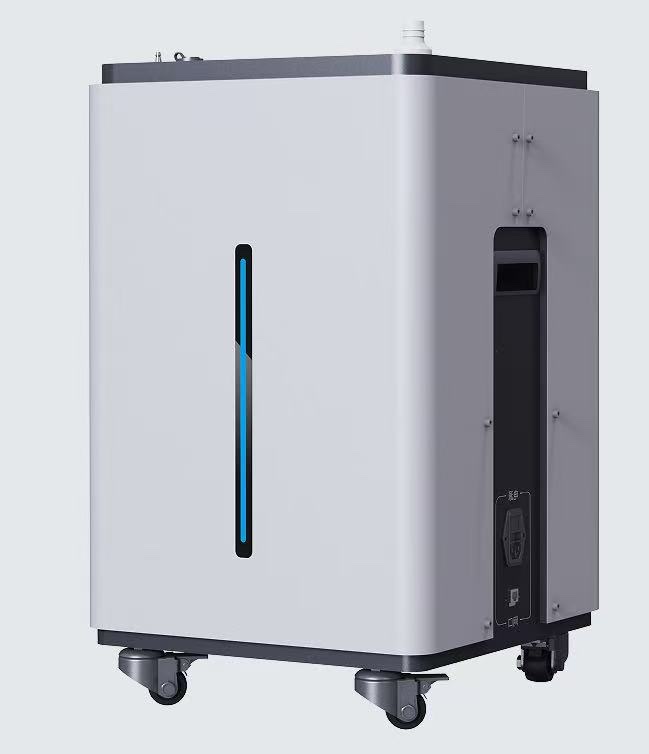
Flagship single-station trainer for high-end longevity centers and clinical research use.
Explore Everest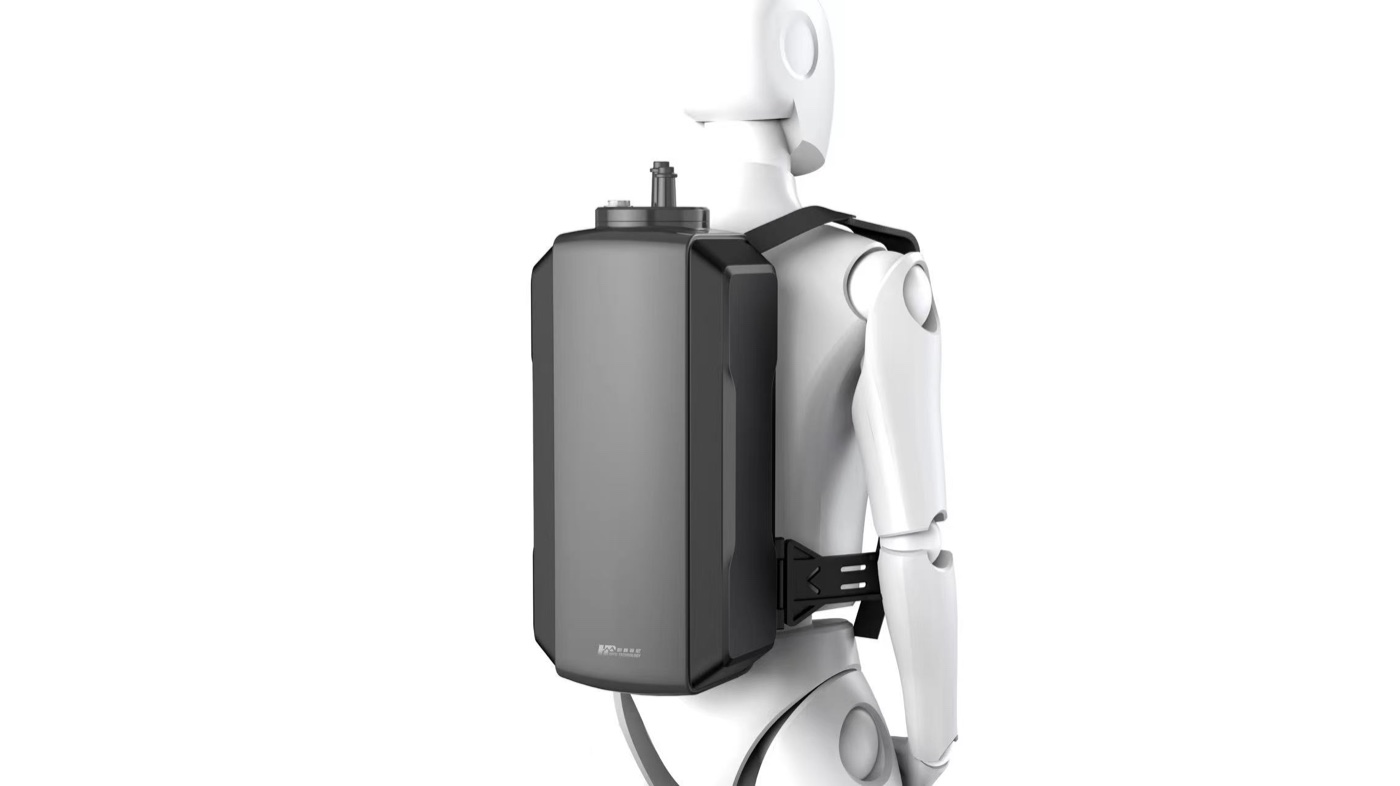
Back-worn, passive trainer — no power, under 5 kg — for portable hypoxic sessions at home or outdoors.
Explore KailashA predictable rollout, from first call to first session, with HPFN's team alongside your program throughout.
Understand your facility, patient population, and protocol goals.
HPFN's clinical team proposes sample protocols matched to your population and session model.
Written spec, pricing, install timeline, and the contraindication screening checklist for your staff.
Standard build cycle. Clinical deployments are flagged for QC validation of the safety stack before release.
On-site install, calibration, and treatment-room layout consultation.
Half-day program — protocols, screening, biofeedback, session logging, member/patient communications.
First patient/member sessions, ongoing clinical support, and quarterly cohort-data review.
Hypoxic and hyperoxic protocols for health, recovery and longevity are well-studied. HPFN's role is to make the protocols deployable in a clinical room with the safety profile that wellness operators need.
The full HPFN research library covers the underlying mechanisms, clinical applications and emerging protocols. The three sentences opposite summarize the headline findings most relevant to clinical and longevity use.
Explore the full research libraryEight of the most common questions from clinics, longevity centers and wellness operators.
Talk to HPFN's clinical team. We'll design protocols for your patient population, ship the equipment, and train your staff — with the safety profile a clinical room requires.