
Altitude
2,500 m
HPFN brings normobaric hypoxic training into elite sport programs — at the facility, in the squad room, in the athlete's bedroom. The same adaptive stimulus as altitude camps, integrated into every training day, without the travel cost or the periodization compromise.
Why elite programs are moving altitude training out of the mountains and into the facility, season-long.
Elite athletes need altitude exposure — for VO₂max adaptation, EPO response, recovery between competitions, pre-competition acclimatization. The science has been clear for decades.
Traditional altitude camps are expensive, disruptive, and break periodization. Athletes lose training continuity, family time, and the daily integration with sport-specific coaching. Most programs can afford only a few weeks per year.
HPFN brings the altitude to the athlete. Daily IHT sessions at the facility, live-high sleep protocols at home, pre-competition acclimatization on-site — all integrated into the existing training schedule, all controllable from the sport-science office.
Every HPFN sport-team deployment follows the same path — from baseline profiling to integrated training to longitudinal adaptation tracking.
Baseline VO₂, SpO₂ response, lactate thresholds, training load. HPFN Altitude OS stores per-athlete data.
Our sport-science team designs protocols by sport, periodization phase and competition calendar — IHT for endurance, hyperoxic recovery for combat, LHTL sleep for marathon prep.
Short sessions (typically 20 – 60 minutes) wrap around regular training. Sleep tents extend exposure at home overnight.
Every session logged. Adaptation monitored through repeat testing. Protocols adjusted as athletes adapt.
Six sport categories with established hypoxic-training applications. Our sport-science team tunes the protocol to the discipline and periodization phase.
Running · cycling · triathlon · rowing · swimming · cross-country
IHT and LHTL protocols for VO₂max, EPO response, and mitochondrial density.
Football · basketball · hockey · rugby · lacrosse
Aerobic capacity, recovery between matches, pre-tournament conditioning.
MMA · boxing · wrestling · judo
Cardiovascular conditioning, weight-cut training, hyperoxic recovery between sessions.
Track sprints · weightlifting · throws · jumps
Hyperoxic recovery between high-intensity sessions and on competition days.
Climbing · ski mountaineering · ultrarunning
Pre-acclimatization to 5+ km altitude for races and expeditions.
Across all disciplines
Adaptive protocols designed in consultation with HPFN's sport-science team.
HPFN's full lineup is on the product page; these three cover the scenarios elite programs ask about most.
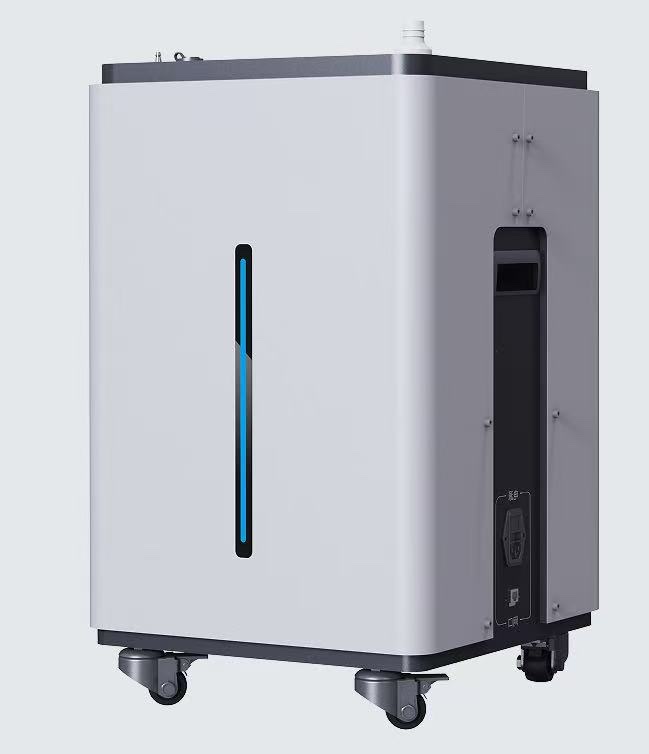
Single-station bi-modal trainer for elite athletes, recovery rooms and sport-science labs.
Explore Everest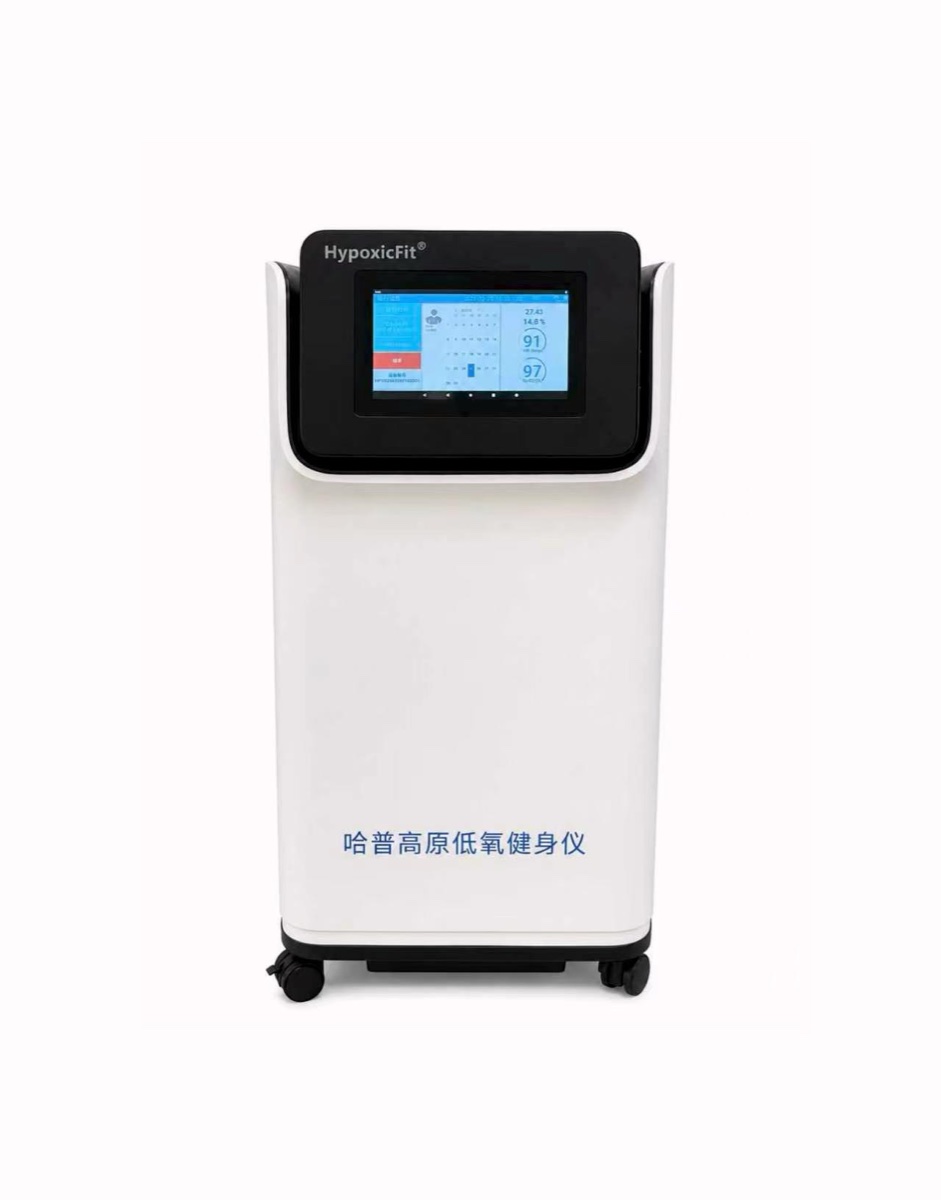
Single-user smart trainer with a 7-inch screen and finger-clip SpO₂ — accessible conditioning for squads and individuals.
Explore Kilimanjaro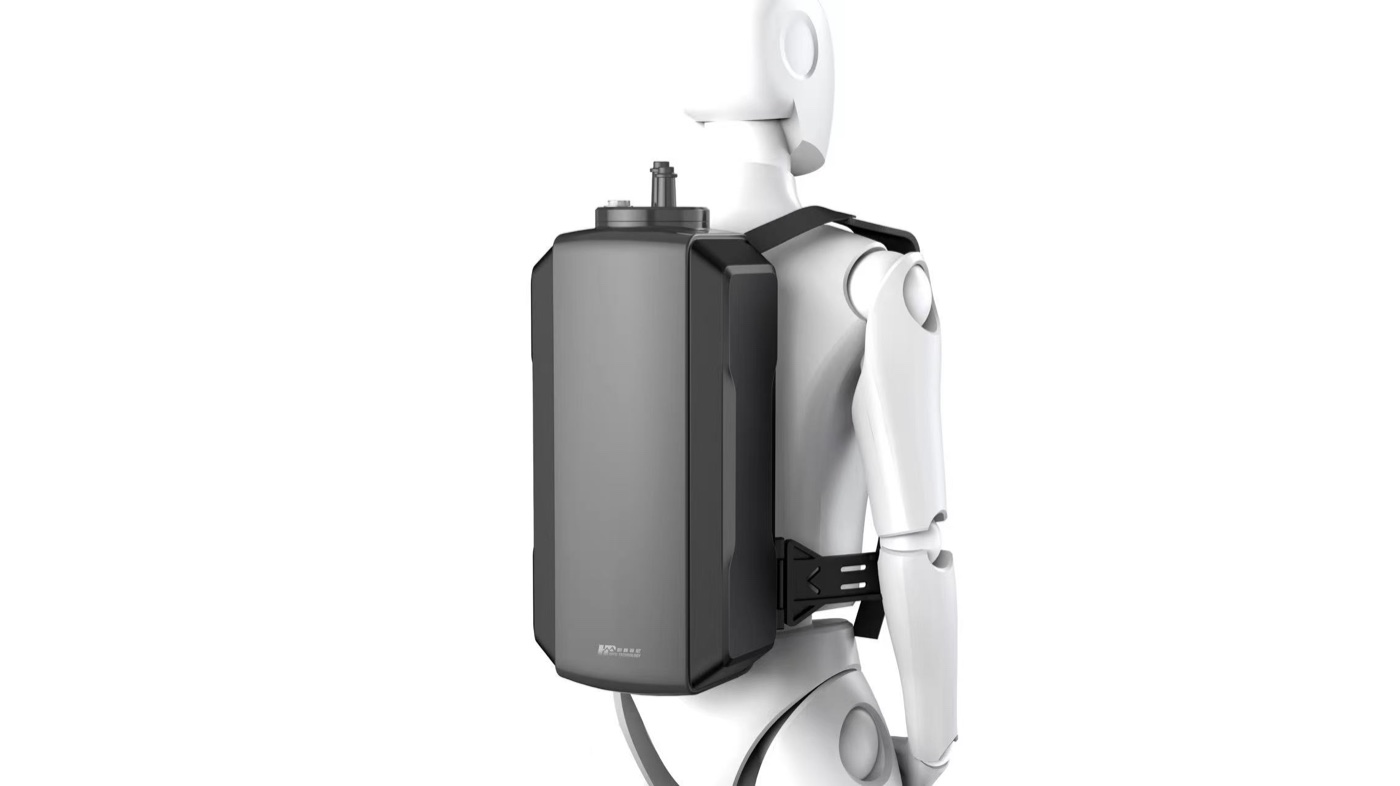
Back-worn, passive trainer — train at altitude on equipment or outdoors, no power needed.
Explore KailashA predictable rollout, from first call to first session, with HPFN's sport-science team alongside your program throughout.
Understand the sport, the athletes, your facility and periodization context — and what you want HPFN to do.
Our sport-science team designs the system and protocol recommendations alongside your S&C and medical staff.
Written spec, pricing, and delivery timeline tailored to your program.
Standard build cycle — every unit is configured before it leaves the factory.
On-site at your facility. Calibration, network setup, and first-day operator handover.
Half-day program for coaches, S&C and sport-science staff — protocols, the platform, and the data.
First athlete sessions, ongoing protocol consultation, and quarterly data reviews with HPFN's sport-science lead.
Hypoxic training is one of the most-studied performance interventions in modern sport science. The protocols HPFN supports are grounded in the published literature, not marketing claims.
The full HPFN research library covers the underlying mechanisms, clinical applications and emerging protocols. The three sentences opposite summarize the headline findings most relevant to competitive sport.
Explore the full research library"Live-high, train-low at 2,500 m has been associated with VO₂max gains of 4 – 6% in elite endurance athletes."
"Intermittent hypoxic exposure can elevate serum EPO within 90 minutes of session onset."
"Hyperoxic recovery between high-intensity intervals improves repeat-sprint performance."
Eight of the most common questions from national teams, federations, clubs and elite-athlete programs.
Talk to HPFN's sport-science team. We'll design a system and a protocol around your athletes, your sport, and your competition calendar.